The Full Guide
The truth about nonstick cookware — and what your kitchen deserves instead.
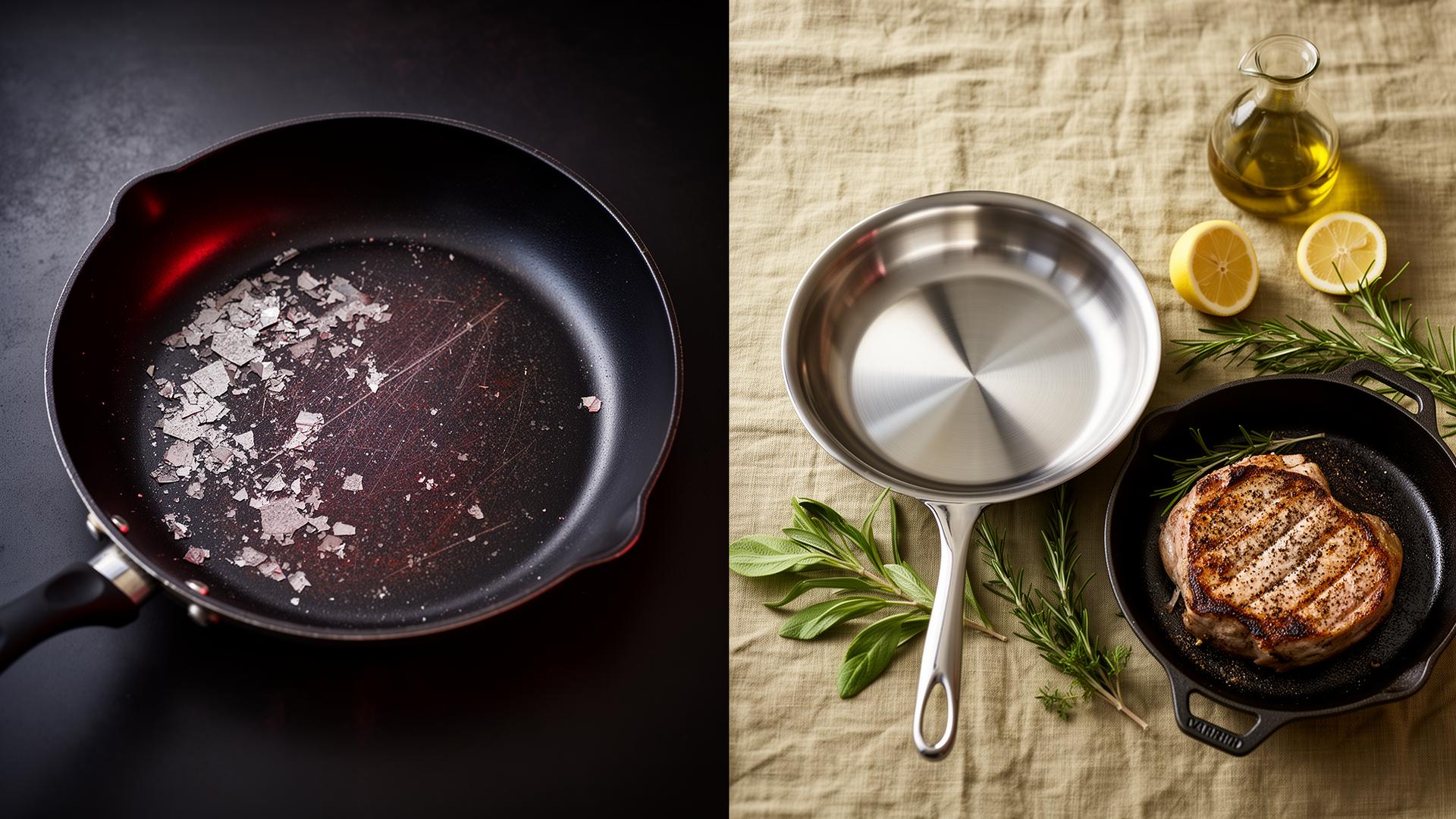
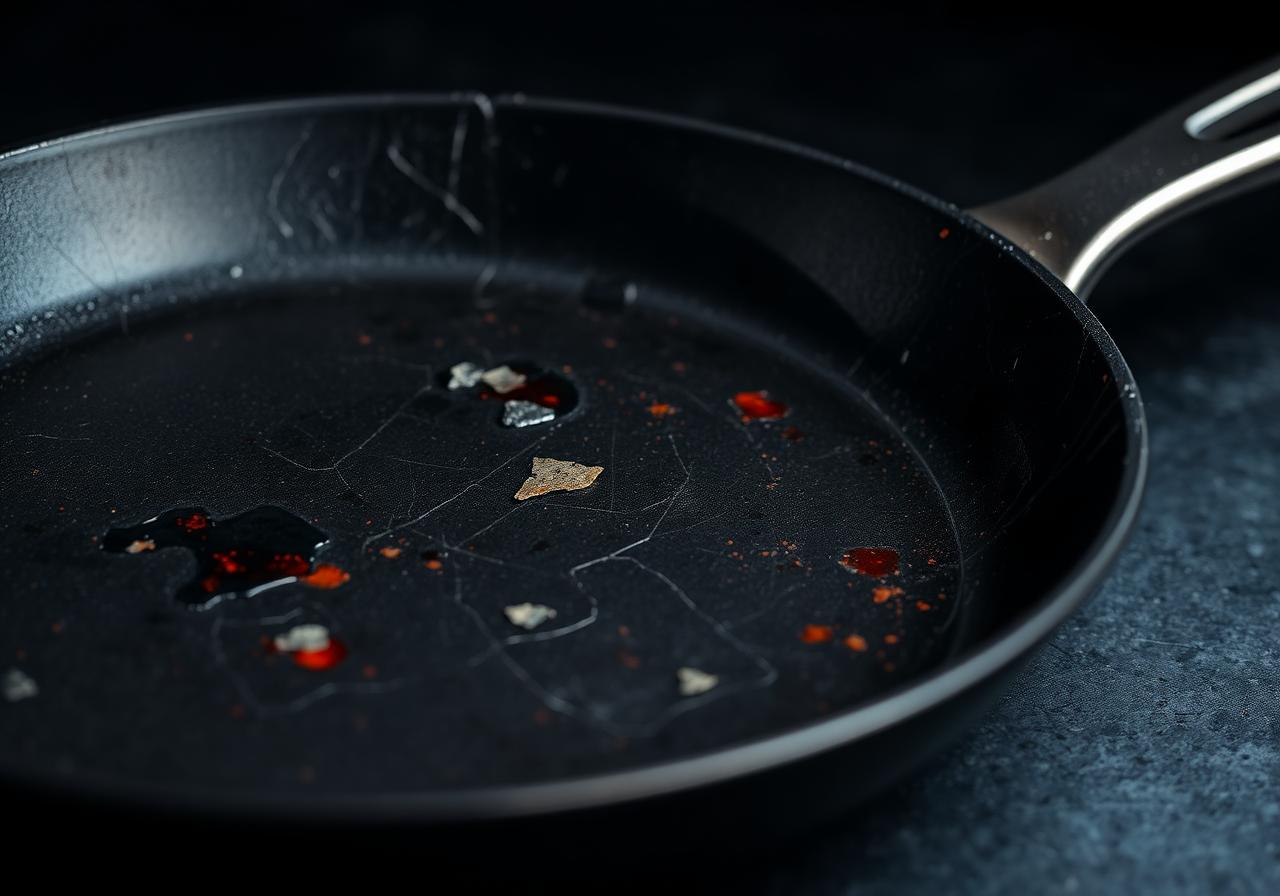
Walk into almost any kitchen — home or restaurant — and you’ll find them: dark, slick, slightly scratched nonstick pans. They’re convenient, cheap, and they look harmless. But every time food slides across that surface, especially a worn one, tiny particles of synthetic coating come along for the ride. Multiply that by every meal, every week, every year, and the math gets uncomfortable fast.
The hidden cost of “convenience” cookware
Most nonstick coatings rely on a family of chemicals called PFAS — per- and polyfluoroalkyl substances — better known as forever chemicals. They earned that nickname honestly: their molecular bonds are so strong that nature can’t break them down, and neither can your body. Once they’re in, they accumulate.
Long-term PFAS exposure has been linked in peer-reviewed research to:
- Hormone disruption and thyroid imbalance
- Reduced fertility and reproductive issues
- Weakened immune response, including blunted vaccine effectiveness
- Elevated cholesterol and metabolic dysfunction
- Certain cancers, particularly kidney and testicular
You don’t notice these things at dinner. You notice them years later, in lab results and symptoms no one quite connects to the pan you fried eggs in this morning.
Why eating out can make you feel worse
If your home cookware matters, restaurant cookware matters even more. Most commercial kitchens lean heavily on nonstick pans — they’re fast, cheap to replace, and easy for line cooks to use under pressure. Combine that with industrial seed oils heated to high temperatures over and over, and a single “quick lunch out” can deliver a stack of inflammatory compounds your body has to clean up later.
That post-meal heaviness, brain fog, or skin flare-up isn’t random. It’s feedback.
What to use instead
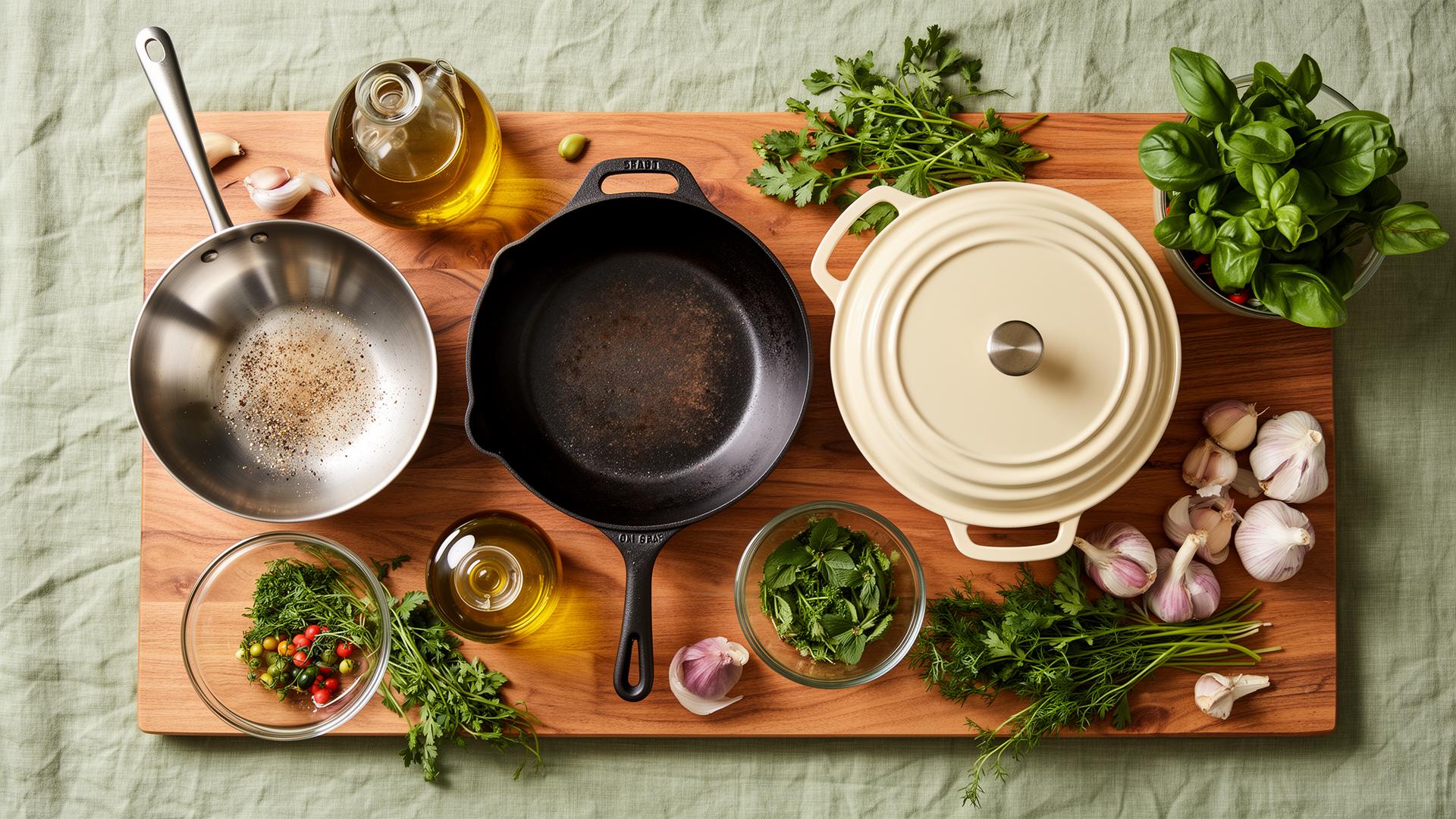
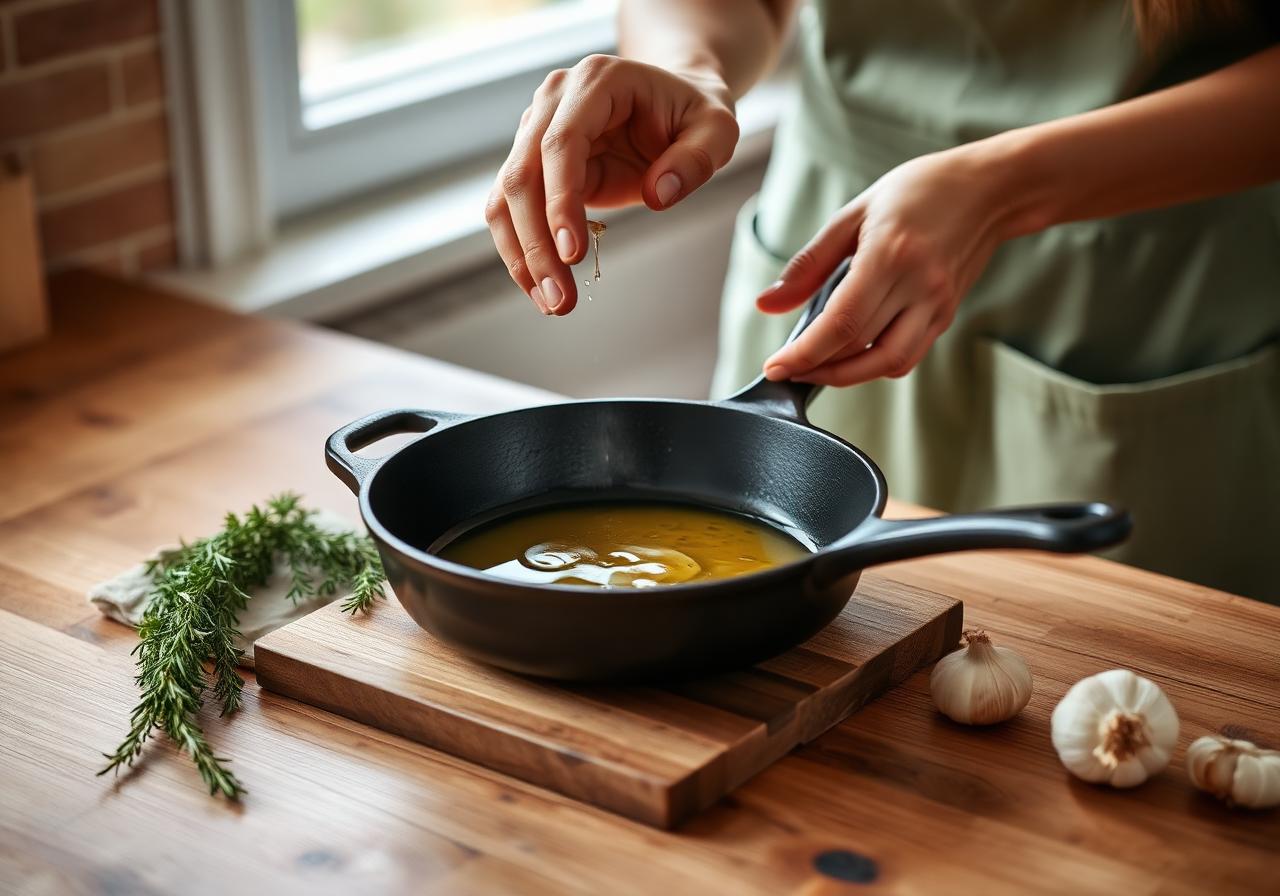
The good news: humans cooked beautiful food for thousands of years without Teflon. The alternatives are more durable, often cheaper over a lifetime, and they make better food. See the cookware guide below for details — the short version:
- Stainless steel — the everyday workhorse for searing, sauces, and stews.
- Cast iron — naturally nonstick once seasoned, lasts generations.
- Carbon steel — the chef’s favorite: lighter than cast iron, just as tough.
- Enameled cast iron — perfect for braises, soups, and acidic foods.
- 100% ceramic and glass — inert, non-leaching, ideal for baking.
Imagine a different kind of kitchen
Picture a kitchen where the pans get heavier, not lighter, every year. Where a cast iron skillet earns a patina from morning eggs and Sunday roasts. Where stainless steel reflects the window light because nothing inside it is breaking down. Where cooking is a ritual, not a chemistry experiment.
You don’t have to overhaul everything tomorrow. Start small:
- Retire any nonstick pan with visible scratches — today.
- Replace your most-used pan first (usually the 10" skillet).
- Cook one extra meal at home this week using a safer pan.
- Choose restaurants that proudly cook in stainless steel or cast iron.
A final word
The pan you cook in is one of the most intimate health decisions you make every single day. You wouldn’t drink from a scratched plastic bottle for thirty years. Don’t cook in one, either. The switch to stainless steel, cast iron, or carbon steel isn’t about fear — it’s about respect. For your body, your family, and the meals you’re going to remember.
Look Better. Feel Better. Live Better.